
A few words about
Our Programs
Our projects
Our projects are rooted in feminist values that prioritize healing, knowledge-sharing, sustainability, and inclusion
At the Sistah Sistah Foundation (SSF), we are driven by vision of liberation, equality and justice for all women, girls, and gender-diverse individuals in Zambia. From tackling period poverty to creating ethical digital spaces, each initiative is designed to challenge systemic barriers and uplift communities through care, creativity, and action.
Feminist Education & Advocacy
End Period Poverty Campaign
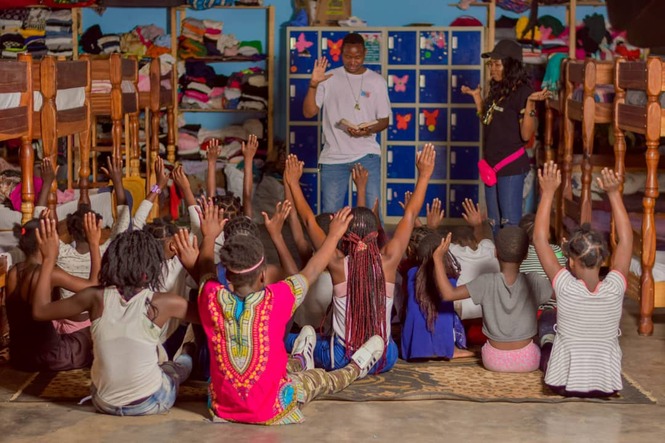
The End Period Poverty Campaign is one of SSF’s flagship initiatives that addresses a deeply rooted but often overlooked issue—menstrual inequality. In many parts of Zambia, menstruation remains stigmatized, and access to sanitary products is a luxury rather than a right. Our campaign works to dismantle this reality by raising awareness, distributing free menstrual products, and advocating for menstrual health education in schools and communities.
Through our drives, we reach out to girls in low-income areas, orphanages, and rural schools to ensure that lack of pads never becomes a reason to miss school or suffer humiliation. Beyond product distribution, we engage in open dialogues that challenge the shame surrounding periods, empowering young people to view menstruation as a natural and dignified experience.
The campaign also calls on policymakers and stakeholders to make menstrual hygiene products accessible and affordable, striving to create long-term, systemic solutions. For SSF, ending period poverty means more than providing pads—it means securing education, dignity, and equality for every girl and woman.
Health, Healing & Dignity
Recreational Healing Program
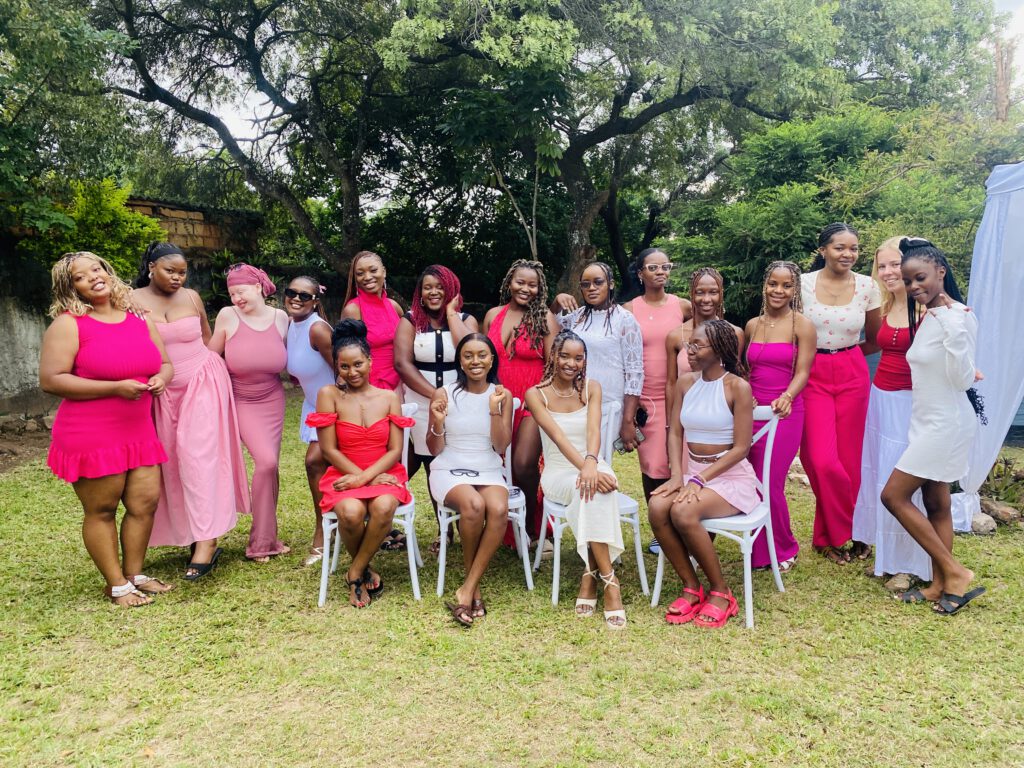
The Recreational Healing Program is a cornerstone of SSF’s work in trauma recovery and emotional well-being. Developed to support survivors of sexual and gender-based violence (SGBV), the program uses creative, recreational, and therapeutic methods to facilitate healing.
Through art, dance, music, and self-expression, survivors are given a safe space to process trauma, rebuild self-esteem, and reconnect with joy. Sessions are guided by trained facilitators and counselors who blend recreational therapy with feminist care principles—allowing participants to heal at their own pace and on their own terms.
Beyond individual healing, the program fosters community among survivors, showing them they are not alone. It has become a symbol of resilience and liberation, reminding women and girls that healing is possible when care, creativity, and community come together.
Digital & Climate Justice
SRHR Digital Campaign
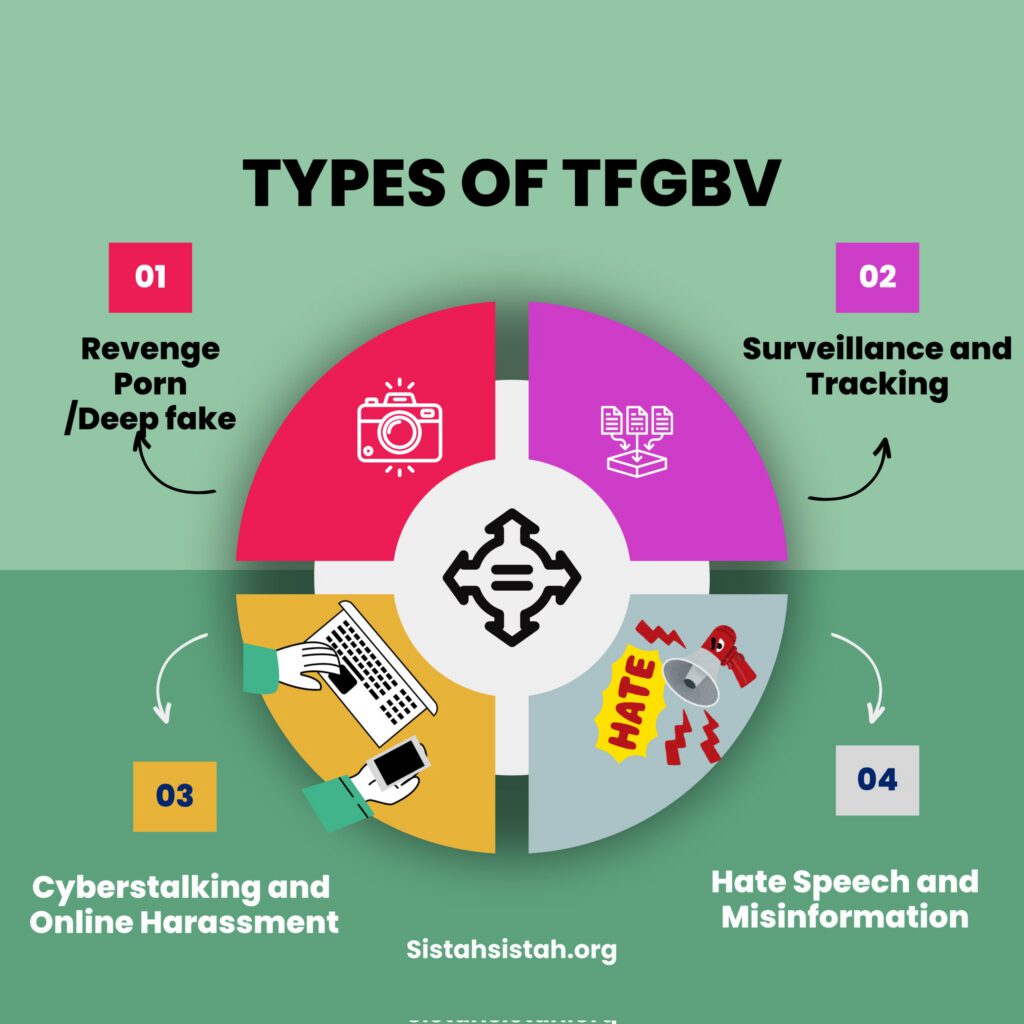
The Sexual and Reproductive Health and Rights (SRHR) Digital Campaign is a youth-focused initiative that leverages the power of social media and digital platforms to spread accurate, inclusive, and youth-friendly information on SRHR topics.
In a society where discussions around sexuality, consent, and reproductive health are often silenced or stigmatized, SSF uses digital storytelling to educate, engage, and empower young people to take control of their sexual health. The campaign covers issues such as contraception, consent, menstruation, safe abortion, body autonomy, and LGBTQ+ inclusion.
Through videos, infographics, podcasts, and interactive discussions, the campaign creates safe online spaces where young people can learn and ask questions without fear or judgment. This project bridges the gap between technology and health education—using digital liberation as a tool for bodily autonomy and awareness.
Digital & Climate Justice
Eco-Feminist Project
The Eco-Feminist Project recognizes that the fight for gender justice and climate justice are deeply interconnected. Women and girls—especially in rural and low-income communities—are often the first to experience the impacts of environmental degradation and climate change.
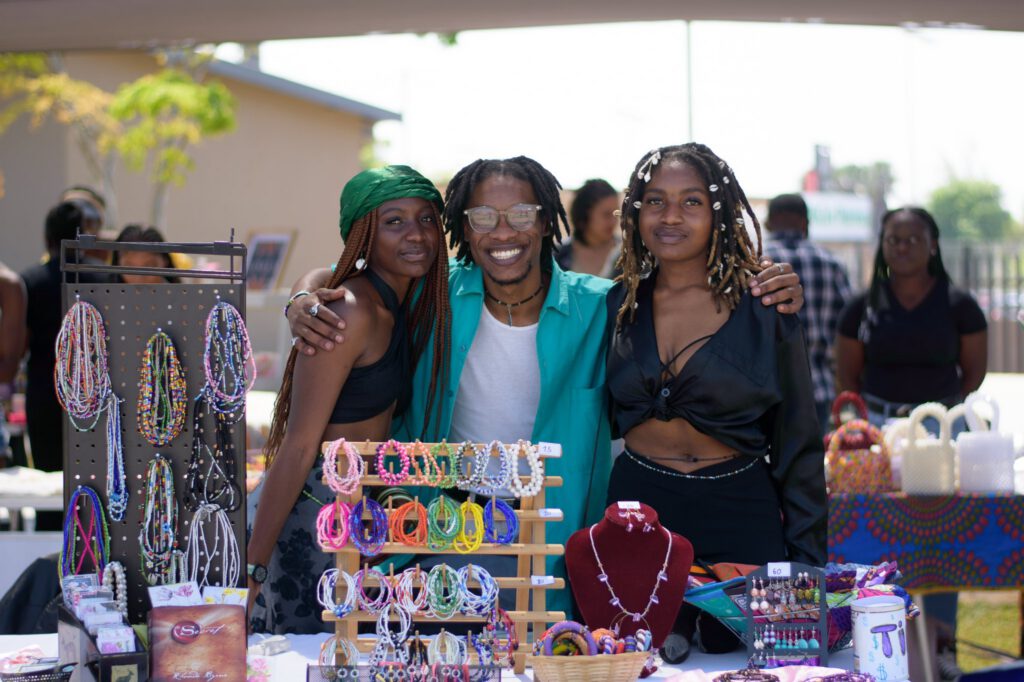
Through this project, SSF advocates for sustainable solutions and environmental education that center women’s voices. The initiative promotes eco-friendly practices such as community gardening, waste reduction, and green entrepreneurship, all while emphasizing how environmental policies and practices can reinforce or challenge gender inequalities.
Workshops under this project explore topics like eco-anxiety, climate resilience, and gendered access to resources, encouraging communities to adopt feminist approaches to environmental care. The Eco-Feminist Project positions women not just as victims of climate change but as leaders, innovators, and protectors of the planet.
Feminist Education & Advocacy
Local CoFeminist Coding Hub
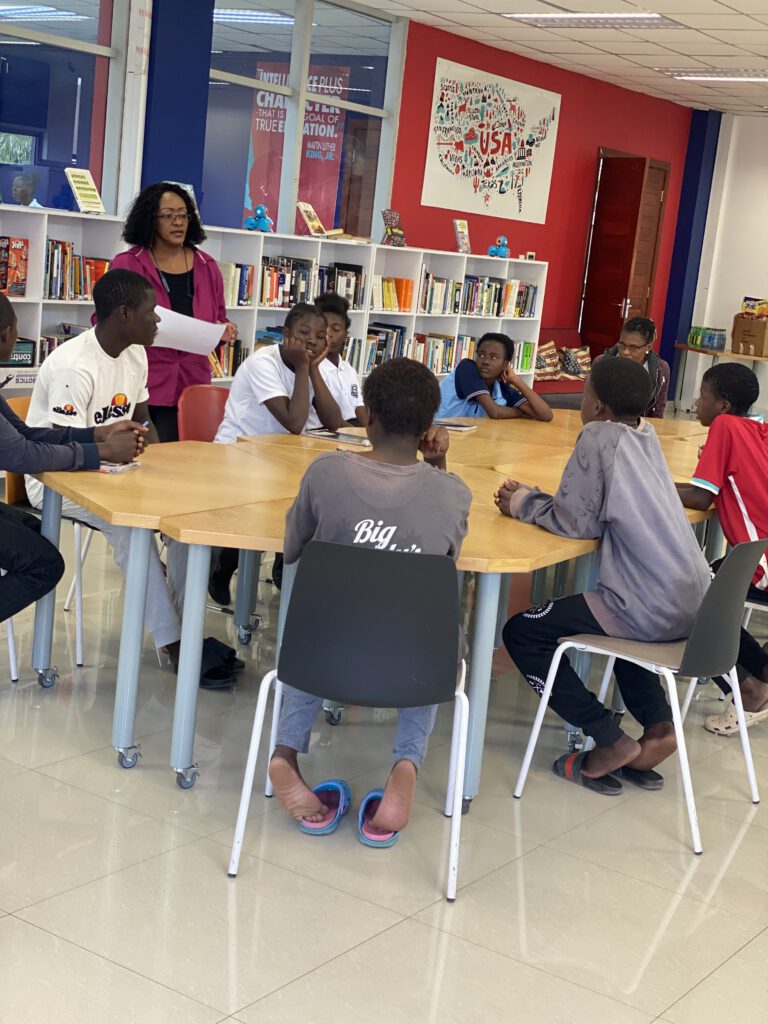
The Feminist Coding Hub is an inclusive STEM initiative that trains young girls, including those living with disabilities, in coding and digital skills. The program bridges the gender and disability gaps in technology by offering mentorship, workshops, and access to computers and software.
Graduates of the hub have gone on to become entrepreneurs and innovators, creating their own tech solutions and digital businesses. The hub stands as a testament to SSF’s belief that technology can be a tool for liberation—when access, equity, and inclusion are at the core.